Real Talk Roundup - December 31, 2025
The data can be clean and the room can still drift. These five pieces close the year on the one thing that actually changes outcomes: direction that repeats.

Five recent posts on decision design, trust, and the quiet work that keeps “data-driven” from becoming theater. Each one sits where systems, standards, and leadership meet. The place where good numbers either turn into movement, or turn into reruns.
If you’re new here (welcome!) or just missed a week, here’s a curated set of the latest pieces. Short intros below… open what hits right now, bookmark the rest for when you’re ready.
1) Decision Cadence: When Direction Becomes the Operating Rhythm
Direction is not a one time call. It’s what still happens when the week gets loud.
 Brett W. Farmer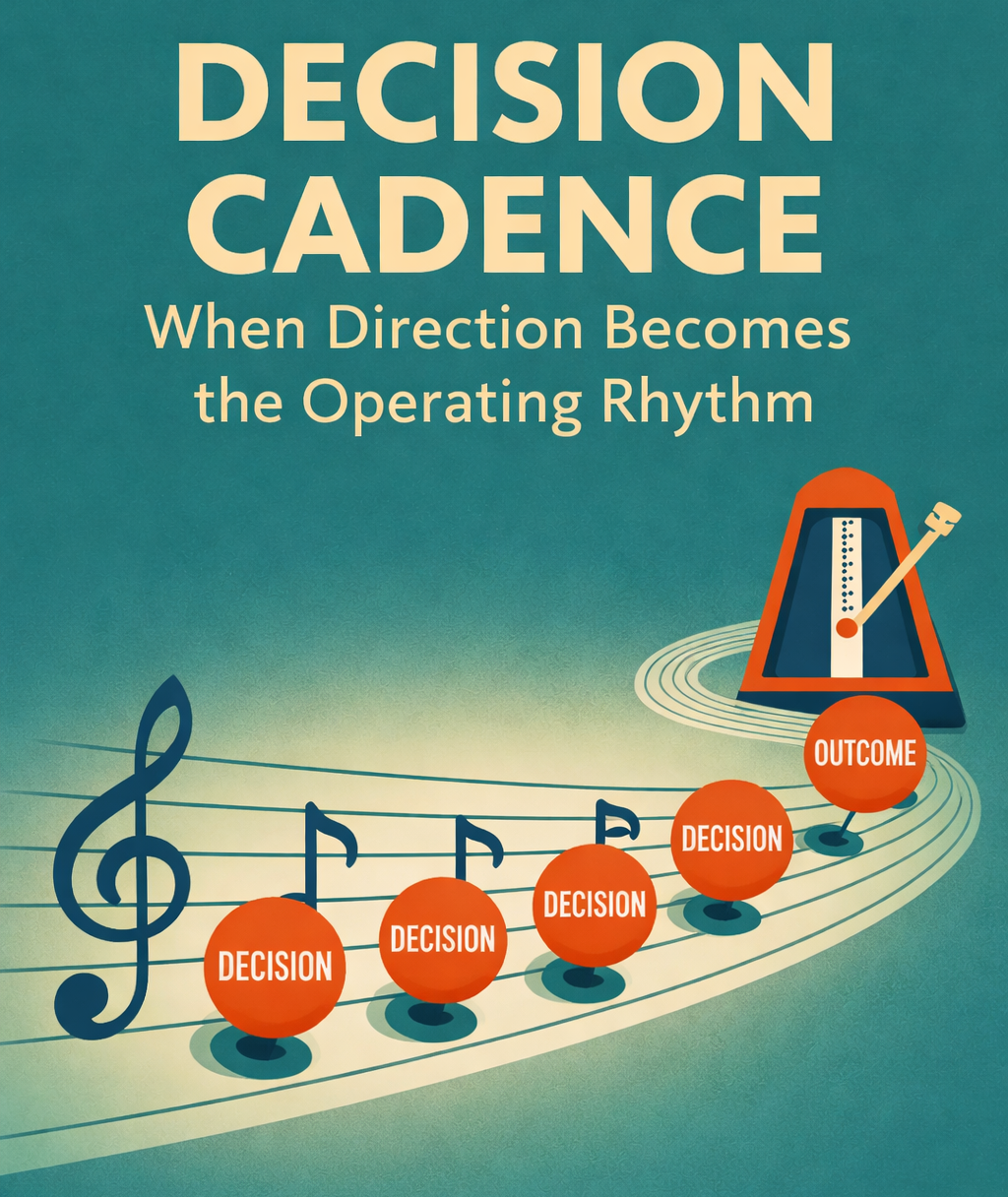
2) Across the Divide: When Better Becomes Muscle
The floor improves every day. The question is whether improvement survives the handoff.
 Brett W. Farmer
3) Decision Direction: When Data Leads to Clarity
Trust removes the argument. Decision direction removes the drift.
 Brett W. Farmer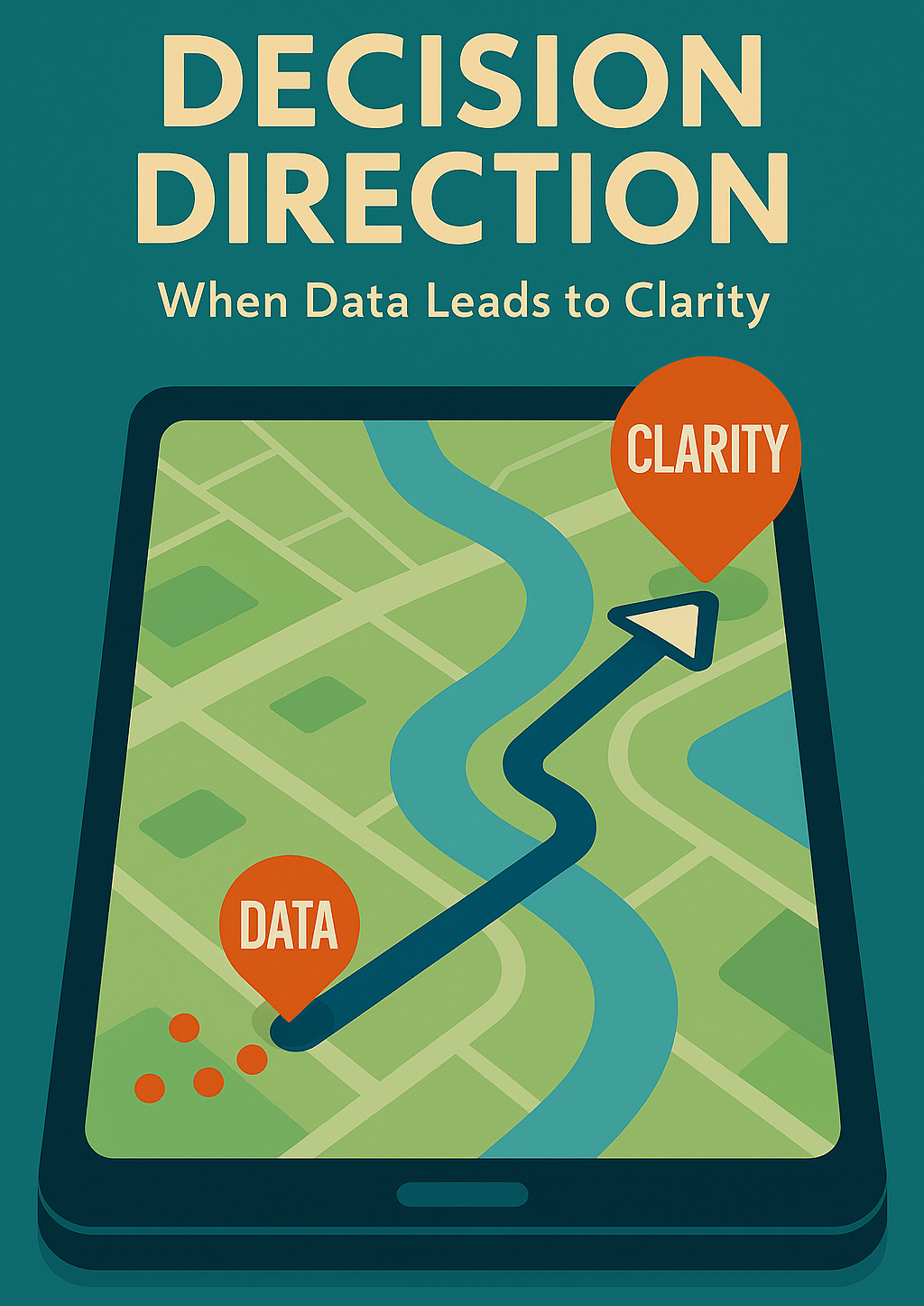
4) Across the Divide: Scaling Better Without Breaking Trust
Visibility isn’t the problem. Direction is. Here’s how you scale improvement without breaking trust.
 Brett W. Farmer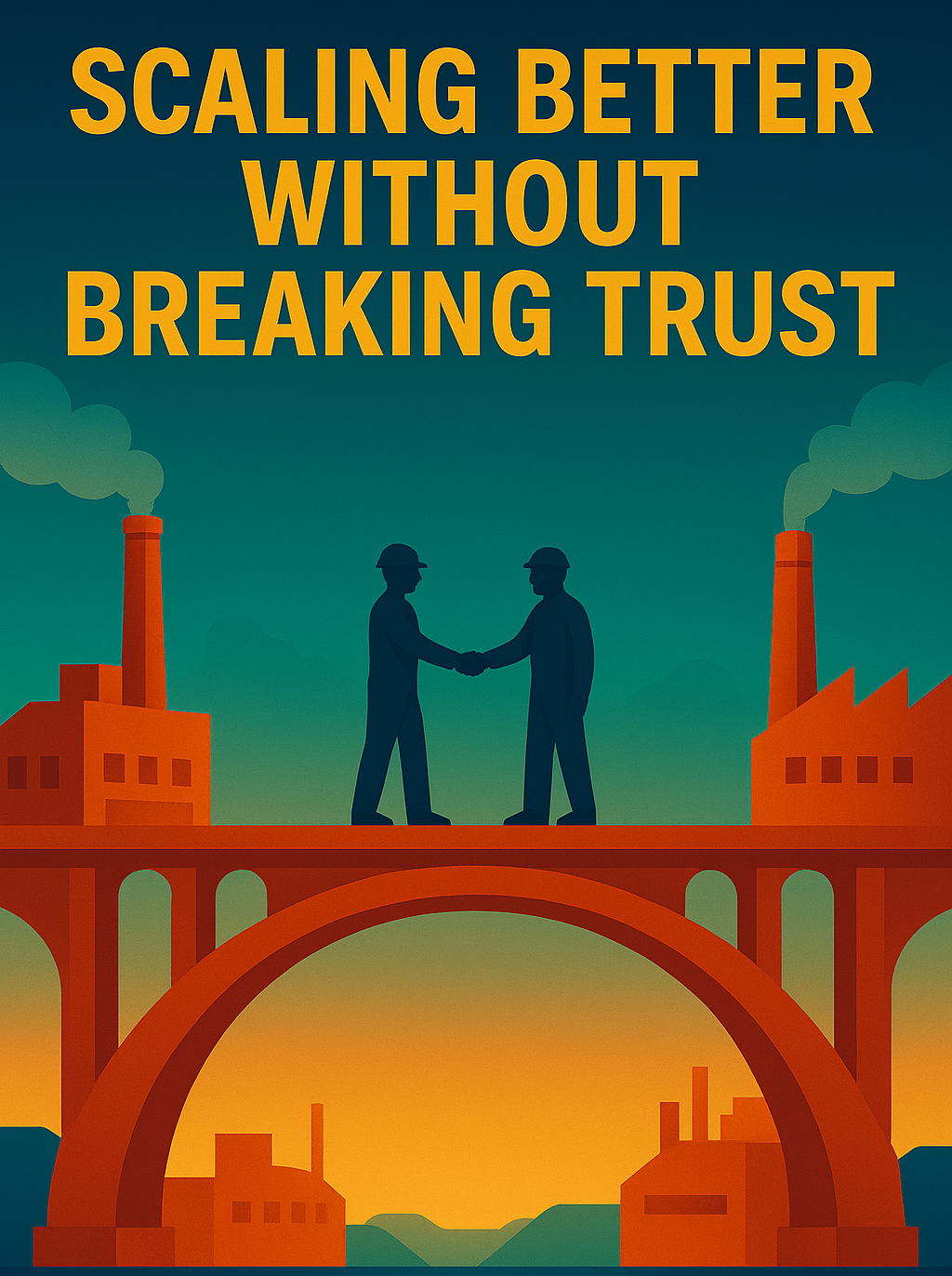
5) Decision Trust: When Leaders Actually Believe the Numbers
Decision Design creates the decision moment. Decision Trust determines whether anyone will act inside it.
 Brett W. Farmer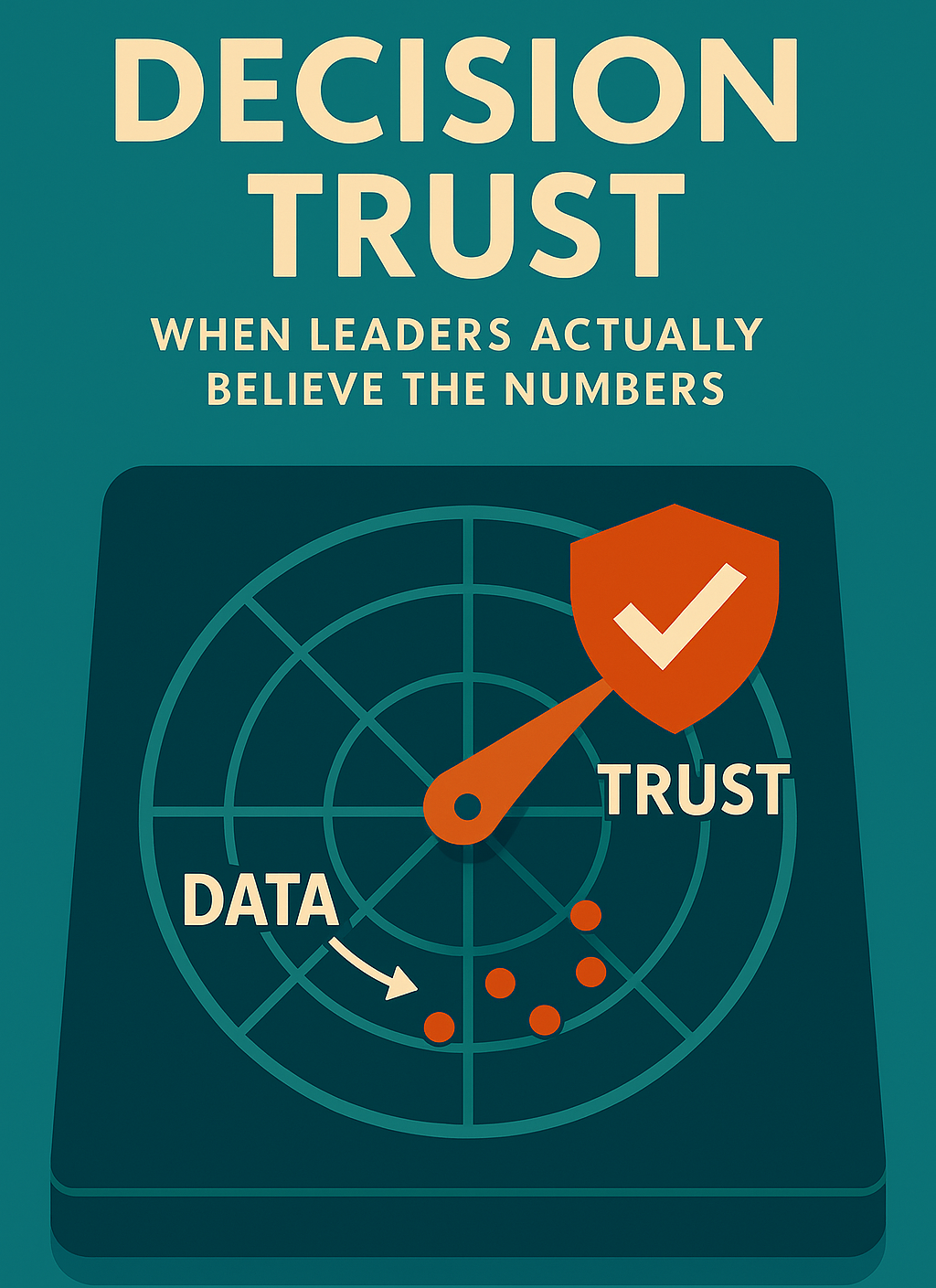
Want the TL;DR?
- If direction doesn’t have a cadence, it turns into personality. Great when you’re in the room. Fragile when you’re not.
- “Better becomes muscle” when learning survives the handoff and becomes the default way work gets done.
- Trust is necessary, but it’s not sufficient. Direction is the moment the metric actually authorizes action.
- Scaling improvement is risky because every propagated change touches something people depend on. Move too fast and you break belief. Move too slow and you waste learning.
- The simplest field test for trust: when the number shows up, does the room move into tradeoffs or reruns?
If one idea helped, share this roundup with someone who’s stuck in reruns, rebuilding the same number, or trying to create calm before they chase speed.
Real talk. Real strategy. Real results in digital transformation.
— Brett